Asher Kim Portfolio №01 · This is a fictional clinic. No real treatments, bookings, or consultations. · Fictional clinicSee how it was madeHow it was made
Book a consultation

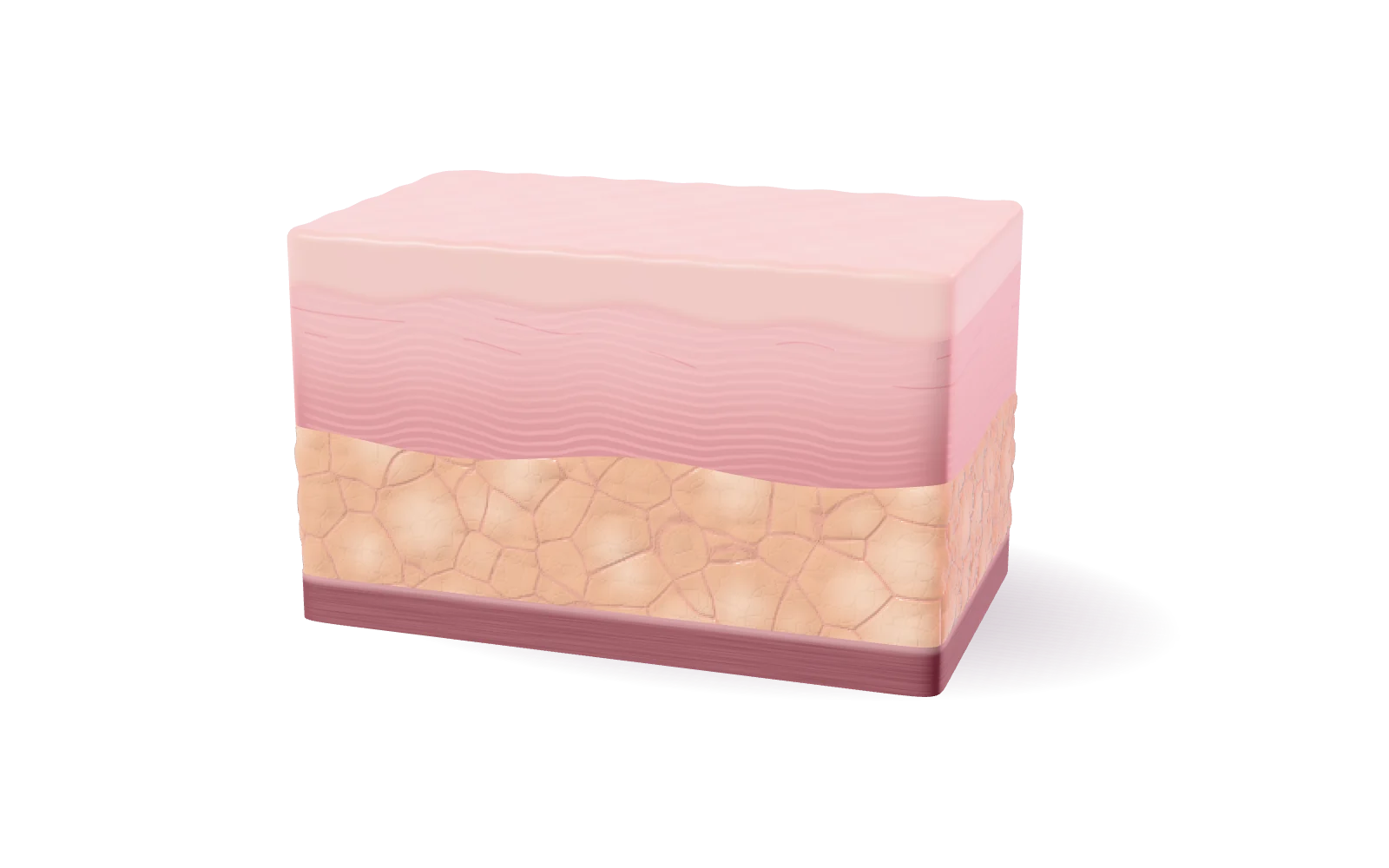
From the epidermisto the fascia,in four layers

Each treatment reaches a different depth. Skin conditions that form in the same layer are noted in smaller type.

Choose by concern or treatment

Choose one,and see how deepit reaches

Pick a concern or a treatment, and light, dots, and a column appear in the layer it reaches. What it is for, its side effects, and its price appear beside it in the same type size.

Lifting & firmnessDepth: dermis to subcutaneous fat

“My jawline looks less defined”

Radiofrequency lifting

Improving sagging skin and fine lines

Depth reachedDermis to subcutaneous fat

Usual sessions
Usually 1 session
Interval
After 6–12 months, if needed
Treatment time
30–60 min
Numbing
Numbing cream
Downtime
Redness for a few hours (varies by person)
Aftercare
Skip saunas and hot compresses on the day of treatment.

What it is for

Improving sagging skin and fine lines. How much your skin changes, and how quickly, varies from person to person.

Side effects

Heat and pain during treatment, redness, swelling, and, rarely, burns or blisters can occur. Changes appear over several months and vary from person to person.

  • Face, 300 shots (Korean-made device)₩440,000

Self-pay · final price, VAT included · as of Nov 2, 2026

Radiofrequency lifting in detail

Skin conditions in the same layer · covered by National Health Insurance (NHI)

Reaching the same layer does not make a procedure a treatment for that condition. After an examination, most skin conditions are treated under NHI.

Layer thickness is simplified for clarity (real dermis is more than ten times thicker than the epidermis). Any change builds gradually over months.

Layer by layer

What each of the four layers does

These are approximate values for facial skin. They differ from person to person, and treatment is decided after an examination.

Epidermis

Up to about 0.1 mm

Signature programs for this layer

Danjeong Tone

The layer where new skin cells form and move up to the surface. Melanin, which gives skin its color, is also made here. Its outermost part, the stratum corneum (about 0.02 mm), holds moisture in and keeps irritants out.

Treatments that reach this layer

Laser toningPicosecond laserMole & age spot removalAcne extraction & peel

Dermis

Up to about 1–2 mm

Signature programs for this layer

Danjeong ToneDanjeong GlowDanjeong Line

Reaching the same layer does not make a procedure a treatment for that condition. After an examination, most skin conditions are treated under NHI.

Depth table

How deep 12 treatments and 12 conditions go

Solid cells show the layers a treatment reaches; hatched cells show where a condition usually forms. Select a name to see the details.

Layers each treatment reaches (shallowest first)
TreatmentEpidermisDermisSubcutaneous fatFascia & muscleDepth reached
Laser toningReachesReachesEpidermis to upper dermis
Picosecond laserReachesReachesEpidermis to dermis
Mole & age spot removalReachesReachesEpidermis to dermis
Acne extraction & peelReachesReachesEpidermis to upper dermis (pore openings and oil glands)
Fractional laserReachesDermis
Vascular laserReachesBlood vessels in the upper dermis
Skin boosterReachesDermis
Radiofrequency liftingReachesReachesDermis to subcutaneous fat
Hyaluronic acid fillerReachesReachesDermis to subcutaneous fat
Laser hair removalReachesReachesDermis to the border of the subcutaneous fat (hair roots)
Focused ultrasound lifting (HIFU)ReachesReachesSubcutaneous fat to fascia (SMAS)
Botulinum toxinReachesMuscle
Layers where each skin condition usually forms (covered by NHI)
ConditionEpidermisDermisSubcutaneous fatFascia & muscleWhy
AcneUsually forms hereUsually forms hereHair follicle openings get blocked, and inflammation forms around the oil glands in the dermis.
Atopic dermatitisUsually forms hereUsually forms hereThe barrier in the stratum corneum weakens, and inflammation develops mainly in the epidermis and upper dermis.
Eczema & hand eczemaUsually forms hereUsually forms hereFluid and inflammation build up mainly in the epidermis. In dyshidrotic eczema, small blisters form on the hands and feet.
Contact & seborrheic dermatitisUsually forms hereUsually forms hereInflammation forms mainly in the epidermis, triggered by something that touched the skin or by sebum.
Hives (urticaria)Usually forms hereSwelling occurs briefly, mainly in the dermis. Welts usually settle within a day, then rise again somewhere else.
Psoriasis & vitiligoUsually forms hereUsually forms hereIn psoriasis, the epidermis thickens quickly, with inflammation in the upper dermis. In vitiligo, pigment cells in the epidermis decrease.
Warts & cornsUsually forms hereIn warts, a virus enters cells of the epidermis and thickens it. In corns, the outer layer thickens where the skin is under pressure.
Athlete’s foot & nail fungusUsually forms hereThe fungus lives mainly in the stratum corneum and in the nails.
Shingles & cold soresUsually forms hereUsually forms hereA virus travels down a nerve and forms blisters in the epidermis. Pain can come before the blisters.
Hair lossUsually forms hereUsually forms hereHair roots (follicles) sit mainly in the lower dermis, at the border with the subcutaneous fat.
Mole & skin lump checksUsually forms hereUsually forms hereThey form where cells gather in one spot. How deep they go depends on the type.
Burns, wounds & scarsUsually forms hereUsually forms hereWhen a wound reaches the dermis, it can leave a scar.