

Contact & seborrheic dermatitis
Some rashes come from something the skin has touched (contact dermatitis). Others appear as red, flaky patches in oily areas (seborrheic dermatitis). We look for the cause together with you.
Where it often appears
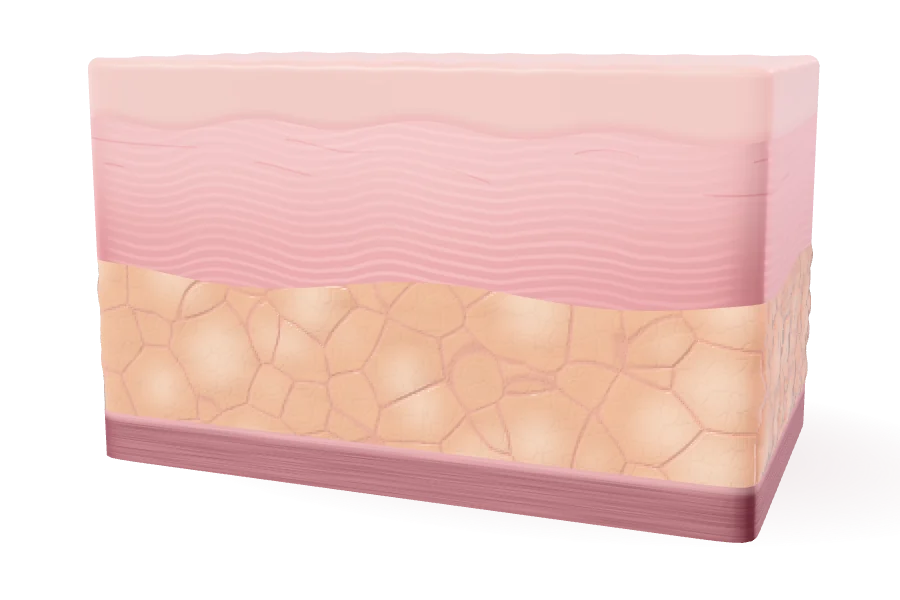
Face · mainly epidermis to dermis
Inflammation forms mainly in the epidermis, triggered by something that touched the skin or by sebum.
Skin model · not to scale
We start with a close look
Examination and tests
We ask when it started and what you applied or touched beforehand, then examine the skin.
If allergic contact dermatitis is suspected, we explain patch testing after the examination. It checks how your skin reacts to small amounts of suspected substances.
- Topical medicationFor ointments and creams, we work out with you how much to apply, how often, and how to taper off.
What brings people in
- My face turned red after I tried a new cosmetic
- The skin where I wear earrings itches and oozes
- My scalp stings after I dyed my hair
- The sides of my nose and my eyebrows are red and flaky, like dandruff
Why it happens
- Contact dermatitis comes from harsh substances such as detergents or acids, or from an allergy to metal (nickel), fragrance, preservatives, or hair dye ingredients.
- Seborrheic dermatitis is linked to a yeast that lives on oily skin and to the skin’s reaction to it.
- Seborrheic dermatitis tends to flare again with stress, lack of sleep, or seasonal changes.
Inflammation forms mainly in the epidermis, triggered by something that touched the skin or by sebum. Layer thicknesses in this model are adjusted for clarity. In real skin, the dermis is more than ten times thicker than the epidermis.
Treatment
Avoiding the cause
Stop using the suspected product and keep the substance off your skin.
Topical medication
For inflammation, we use a steroid or non-steroid ointment for a short time.
Managing seborrheic dermatitis
We use a shampoo or cream that reduces the yeast. If it flares again, we use the same approach early to calm it down.
InsuranceExaminations and medication are covered by NHI.
Treatment is decided after the examination. How much it helps, and how quickly, varies from person to person.
What to do at home
Stop using any product you suspect, and write down what you changed and when.
Try a new cosmetic on the inside of your arm for a few days first.
Before using hair dye, do the skin test described in the product instructions.
With seborrheic dermatitis, wash your hair often and rinse out shampoo thoroughly.
Come in soon if
- Your face or the skin around your eyes swells badly, or blisters spread widely
- Right awayIf your lips or tongue swell or you feel short of breath, do not wait. Call 119 (Korea’s emergency number) or go to the nearest emergency room.
During clinic hours, simply come in; no appointment is needed. Questions: +82-2-0123-4567
Common questions
Can I find out which cosmetic caused it?
We start by narrowing it down from the products you used and the dates. If it is still unclear, patch testing can show which ingredients your skin reacts to.
Will my seborrheic dermatitis go away?
It usually calms down well with medication, but it tends to come back. We plan with you how to manage it early whenever it flares.
If I’m allergic to one hair dye, can I use another?
Many hair dyes contain the same ingredients, such as para-phenylenediamine (PPD), so check the ingredient list. We identify the ingredient behind your reaction after an examination and testing.