

Burns, wounds & scars
Minor burns and wounds are treated here, and we give injections for raised, red scars (keloids).
Where it often appears
Hands · mainly epidermis to dermis
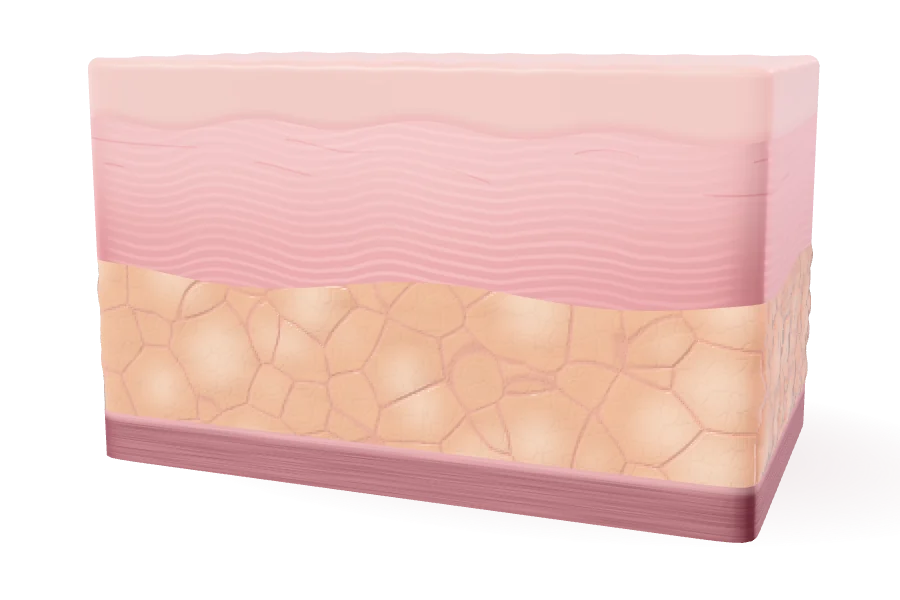
When a wound reaches the dermis, it can leave a scar.
Skin model · not to scaleHow we approach treatment
InsuranceTreatment for burns and wounds is covered by NHI. For keloid injections, we tell you after the examination whether NHI applies. Laser treatment to fade scars is self-pay (not covered by NHI).
Burns and wounds
We clean the area and keep it moist under ointment and a dressing while it heals. Blisters are treated in the clinic.
Keloids and thick, raised scars
We inject steroids into the scar several times, a few weeks apart, and also use silicone gel or sheets, or pressure.
Scar laserSelf-pay
Laser treatment to fade a fully healed scar is self-pay, as NHI does not cover it. We set the timing after an examination.
Treatment is decided after the examination. How much it helps, and how quickly, varies from person to person.
What brings people in
- I scalded myself with hot water and it blistered
- I scraped myself in a fall, and it isn’t healing well
- My surgery scar is red and raised
- My scar is itchy and hard
Why it happens
- The deeper the wound, the more likely it is to leave a scar.
- Some people are prone to keloids, and they often run in families.
- Infection, a wound where the skin is pulled tight, or late treatment can make a scar larger.
When a wound reaches the dermis, it can leave a scar. Layer thicknesses in this model are adjusted for clarity. In real skin, the dermis is more than ten times thicker than the epidermis.
Examination and tests
- We examine how deep and wide a burn is and whether a wound is infected.
- If infection is suspected, we test a sample of the pus for bacteria.
What to do at home
After a burn, hold it under cool running water right away for 10–20 minutes. Do not put ice directly on it.
Do not pop blisters, and do not put home remedies such as soybean paste, toothpaste, or soju on a burn.
Rinse wounds with clean water and keep them covered. Do not pull scabs off.
Once the skin has healed, apply sunscreen to the area for as long as it stays red.
Come in soon if
- A burn is larger than your palm, or is on the face, hands, feet, joints, or genitals
- Burned skin looks white or black and has no feeling (this may be a deep burn)
- Right awayFor electrical or chemical burns, go to a larger hospital that treats burns, or to an emergency room.
- Redness spreads around a wound and you have a fever, or you have an animal bite or a deep puncture from something rusty
During clinic hours, simply come in; no appointment is needed. Questions: +82-2-0123-4567
Common questions
When can I start laser treatment for my scar?
Once the wound has fully healed. We decide the timing after an examination, based on the scar’s color and firmness. Scar laser treatment is self-pay.
How many keloid injections will I need?
Several, a few weeks apart. The number depends on the size and location, and because keloids can grow back, we keep watching them with you.
If I keep applying ointment, will I avoid a scar?
Whether a scar forms depends on how deep the wound is. Keeping the wound moist and covered while it heals, and avoiding UV light, can help reduce scarring.
See also
We decide on cosmetic treatment only after an examination confirms that care for the condition is finished, or that the two can go together. Cosmetic treatment prices include VAT.