

Eczema & hand eczema
We treat hand eczema that keeps coming back, along with dyshidrotic eczema, which causes small blisters on the hands and feet.
Where it often appears
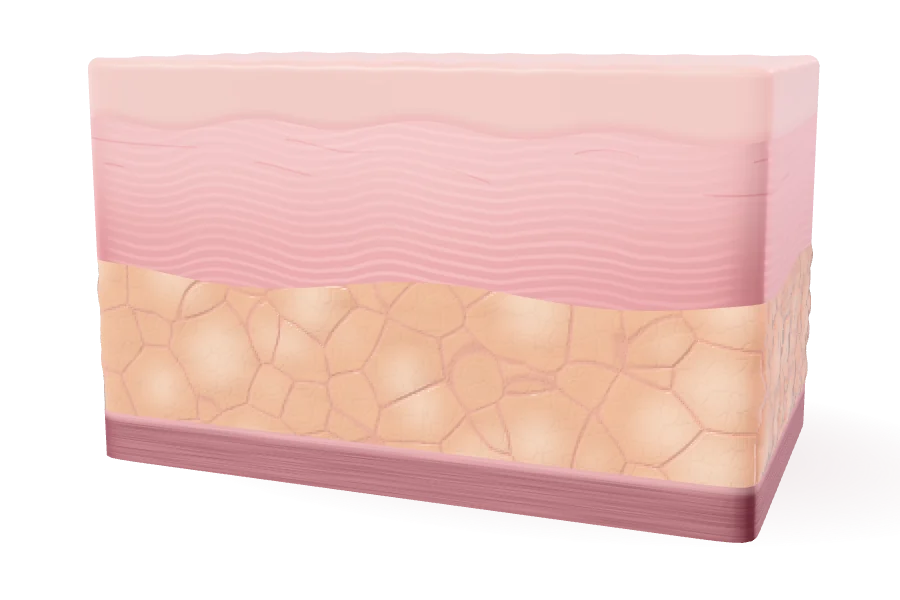
Fingers · mainly epidermis to dermis
Fluid and inflammation build up mainly in the epidermis. In dyshidrotic eczema, small blisters form on the hands and feet.
Skin model · not to scale
We start with a close look
Examination and tests
The diagnosis comes from an examination of the skin.
If the skin is scaling, we look at a scraping under the microscope to tell it apart from a fungal infection.
If something you touch may be the cause, we explain patch testing after the examination. Small amounts of suspected substances are placed on your skin to see whether it reacts.
- Topical medicationFor ointments and creams, we work out with you how much to apply, how often, and how to taper off.
What brings people in
- My fingers crack and sting
- Small, itchy blisters come up along the sides of my fingers
- It gets worse after I wash the dishes
- I get blisters on the soles of my feet too
Why it happens
- Frequent contact with water and detergent wears down the skin barrier on the hands.
- Blisters can flare with sweat, stress, or the change of seasons.
- An allergy to something like metal or rubber gloves can cause a rash that looks the same.
Fluid and inflammation build up mainly in the epidermis. In dyshidrotic eczema, small blisters form on the hands and feet. Layer thicknesses in this model are adjusted for clarity. In real skin, the dermis is more than ten times thicker than the epidermis.
Treatment
Reducing irritation
Cut back on wet work and detergents, and switch to gloves and a gentle cleanser.
Topical medication and moisturizer
A steroid ointment calms the inflammation, and you apply hand moisturizer often.
Oral medication
For severe itching, we also prescribe oral medication.
If it lasts
If it continues for more than a few weeks, we consider phototherapy (ultraviolet light treatment) or other oral medication.
InsuranceExaminations, tests, medication, and phototherapy are covered by NHI.
Treatment is decided after the examination. How much it helps, and how quickly, varies from person to person.
What to do at home
For wet work, wear rubber gloves over cotton gloves.
After washing your hands, pat them dry and apply moisturizer right away.
Avoid hot water, and take off rings before wet work.
Do not pop blisters.
Come in soon if
- The skin oozes or forms pus and turns red, swollen, and painful (this may be an infection)
- After several weeks of topical medication, the rash looks the same or keeps spreading
During clinic hours, simply come in; no appointment is needed. Questions: +82-2-0123-4567
Common questions
Can I pass dyshidrotic eczema on to my family?
No. It is a skin reaction, not an infection, so there is no need for separate towels or belongings at home.
Can I just use hand cream?
When it is mild, moisturizing alone sometimes settles it. Cracking and oozing are signs of inflammation, and you may need medication as well.
Can I pop the blisters?
Popping them makes infection more likely. We treat large, uncomfortable blisters in the clinic with sterilized instruments.